Stem Cell Therapy for Tennis Elbow: A Modern Treatment Option
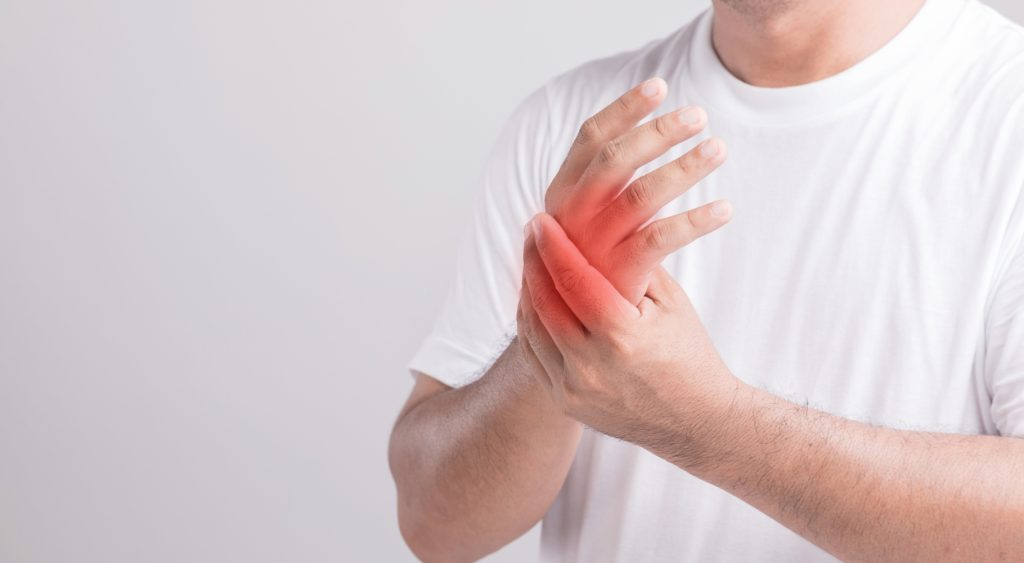

Tennis elbow sounds like a sports injury, but in practice I see it far more often in people who have never picked up a racket. Contractors, mechanics, dental hygienists, office workers with poor workstation habits, warehouse staff, golfers, parents lifting young children, even people who have taken on a burst of home renovation can end up with the same stubborn pain on the outside of the elbow. The medical term is lateral epicondylitis, though many specialists now prefer lateral elbow tendinopathy because the problem is usually more degenerative than inflammatory.
That distinction matters when treatment discussions turn to Stem Cell Therapy. If the tendon is not simply inflamed, then a short-term anti-inflammatory fix may not address the deeper issue. Patients often understand this intuitively. They tell you the pain eases for a while, then returns the moment they grip a coffee mug, shake hands, type for too long, or lift a grocery bag. What they want is not another temporary patch. They want a treatment that helps the tendon recover real function.
Stem Cell Therapy is often presented as that kind of option, a biologic treatment meant to support healing rather than merely suppress symptoms. It is a promising area, but it also deserves a sober explanation. Tennis elbow can improve with time and conservative care. Some patients do very well without any procedure. Others have persistent symptoms for months or even longer, and they start looking for alternatives to repeated injections or surgery. This is where stem cell-based treatments enter the conversation.
What is really happening in tennis elbow
The extensor tendons on the outside of the elbow, especially the extensor carpi radialis brevis tendon, are exposed to repetitive strain. Over time, tiny areas of tendon damage can outpace the body’s repair capacity. Instead of a clean, acute tear, the tissue often shows fraying, disorganized collagen, and reduced tendon quality. That is why many people describe a slow, grinding pattern rather than a single dramatic injury.
Pain tends to flare with gripping, wrist extension, turning a screwdriver, lifting objects with the palm down, or carrying something at arm’s length. A common story is that symptoms begin as a nuisance, become a daily irritation, then start affecting sleep, work speed, and confidence in using the arm. At that point, the condition is no longer a minor inconvenience. It changes behavior. People avoid tasks, compensate with the shoulder, and sometimes create secondary neck or wrist problems.
For mild or recent cases, rest from aggravating activities, physical therapy, load management, bracing, and a gradual strengthening program are often enough. The challenge comes with the patient who has already done those things, at least with reasonable consistency, and still cannot get over the hump.
Why biologic treatments entered the picture
Traditional treatment options for stubborn tennis elbow include corticosteroid injections, platelet-rich plasma, needle tenotomy, and surgery https://knoxoksr227.hexaforgey.com/posts/the-future-of-stem-cell-therapy-in-modern-healthcare in selected cases. Each has trade-offs.
Corticosteroid injections can reduce pain quickly, which is why they became common. But fast relief is not the same thing as durable tendon healing. In some tendon problems, steroids may provide short-term benefit while offering less impressive long-term outcomes. That has pushed both patients and clinicians to think differently about chronic tendon pain.
Biologic therapies grew out of this shift. Platelet-rich plasma was one of the first widely discussed options. Stem Cell Therapy followed, appealing to the idea that regenerative cells and signaling molecules might help improve a damaged tendon environment. For the right patient, especially someone with chronic tendinopathy who wants to delay or avoid surgery, this can be an understandable next step.
The important word here is might. Responsible care requires that kind of language. The biologic rationale is compelling, but the clinical evidence is still developing, and treatment protocols vary widely from clinic to clinic.
What Stem Cell Therapy means in this setting
When people hear the phrase stem cells, they sometimes imagine a single standardized treatment. That is not how it works in day-to-day musculoskeletal practice. The most common form used for orthopedic conditions involves adult mesenchymal stromal or stem-like cells, often harvested from the patient’s own bone marrow or adipose tissue. Bone marrow aspirate concentrate, commonly taken from the pelvis, is one of the better known approaches.
These cells are not magic repair workers that simply replace damaged tendon fiber on command. Their proposed value is broader and more nuanced. They may influence the healing environment through signaling effects, modulation of inflammation, and support for tissue remodeling. In plain language, the goal is to encourage the tendon to move away from a chronic failed-healing state and toward a more organized recovery process.
In tennis elbow, the procedure usually involves imaging guidance, most often ultrasound, to place the injectate accurately into the diseased portion of the common extensor tendon. Accuracy matters. Tendons are small structures, and a blind injection can miss the target or spread into surrounding tissues where it may be less helpful.
The patients who usually ask about it
The typical Stem Cell Therapy consultation for tennis elbow is not someone who has had pain for two weeks. It is usually a person who has been dealing with symptoms for several months, sometimes longer than a year. They have often tried anti-inflammatory medication, a brace, home exercises found online, maybe formal physical therapy, and in some cases one or more prior injections.
A carpenter in his forties once described it perfectly. The pain was not excruciating at rest, he said, but it stole precision from his day. He could still work, but every twisting motion carried a flash of pain and a hesitation. That sort of case captures why chronic tennis elbow becomes so frustrating. Function erodes before strength fully disappears, and people start losing trust in their arm.
Good candidates usually share a few features:
- Symptoms have persisted despite a solid trial of conservative care, often for at least several months.
- The pain pattern and examination fit chronic tendon pathology rather than a nerve problem, arthritis, or referred pain from the neck.
- Imaging, if obtained, supports tendinopathy or a partial tendon injury in the expected location.
- The patient understands that recovery still depends on rehabilitation, activity modification, and time.
- There is a clear reason to pursue a biologic option rather than continue basic care or move directly to surgery.
Not every painful elbow belongs in this category. Radial tunnel syndrome, joint pathology, cervical radiculopathy, and ligament injuries can mimic or overlap with tennis elbow. If the diagnosis is wrong, even a technically perfect procedure will disappoint.
How the procedure is typically performed
The details differ across practices, but the broad sequence is fairly consistent. After evaluation and consent, the treating clinician harvests biologic material, commonly bone marrow aspirate from the posterior iliac crest. That aspirate is then processed to concentrate the desired cellular and growth factor components. The affected elbow is prepared, ultrasound is used to identify the diseased tendon, and the concentrate is injected into the target area.
Some clinicians combine the injection with a needling technique designed to stimulate a local healing response. Others prefer a more limited approach. Local anesthetic use also varies because some physicians try to avoid exposing the tendon or cell product to agents they believe could be counterproductive in higher amounts.
From a patient perspective, the procedure is usually outpatient. The elbow is sore afterward, often more sore for several days because the tendon has been deliberately irritated in a controlled way. That does not mean something went wrong. It often reflects the fact that this is not a numbing treatment. It is a biologic intervention meant to trigger a reparative cascade.
Recovery is rarely quick, and that surprises people
One of the most important counseling points is that Stem Cell Therapy for tennis elbow is not judged the way one judges a steroid shot. With steroids, people often ask, “Did it help within a week?” With a biologic tendon treatment, that timeline is too short.
Most patients go through a staged recovery. Early on, they may rest the area and avoid heavy gripping or lifting. Then comes a gradual return to motion and progressive loading. Formal therapy is often useful, especially eccentric and later concentric strengthening, forearm conditioning, shoulder mechanics, and movement retraining. If the patient goes right back to the exact overload pattern that caused the problem, even a promising procedure can be undermined.
It is common to discuss improvement over weeks to months rather than days. Some people notice reduced pain with daily activities first, then better tolerance of work or sport later. Others plateau, then make slower gains. Tendons are not fast-healing tissues, and chronic tendinopathy rarely follows a perfectly linear script.
What the evidence says, and what it does not
This is where the conversation should become more careful, not more promotional. Stem Cell Therapy for tennis elbow sits in a field with genuine scientific interest, but also uneven study quality and considerable variation in treatment methods. Different cell sources, processing techniques, injection volumes, rehabilitation protocols, and outcome measures make one-to-one comparison difficult.
There are encouraging reports in some musculoskeletal tendon conditions, including reductions in pain and functional improvement after cell-based injections. But the evidence base for tennis elbow specifically is still not as mature or standardized as many patients assume when they encounter marketing online. Large, high-quality randomized trials remain limited. That does not mean the treatment has no value. It means certainty is lower than the advertisements suggest.
Clinically, I think of it this way. There is a reasonable biologic rationale, a subset of patients who appear to benefit, and enough unanswered questions that treatment selection should be individualized. The strongest mistake is not choosing or refusing Stem Cell Therapy. The strongest mistake is pretending the science is already settled.
How it compares with other options
For someone with chronic tennis elbow, the decision is rarely between Stem Cell Therapy and doing nothing. It is usually a comparison among several imperfect paths.
Corticosteroid injection may calm pain rapidly, but often does less to support long-term tendon quality. Platelet-rich plasma is less complex, more widely available, and often less expensive than stem cell-based procedures. Needle tenotomy can stimulate healing mechanically and may be paired with biologics in some settings. Surgery remains an option for persistent cases that fail extensive nonoperative care, particularly when imaging and symptoms line up with a clear structural target.
The practical differences often come down to goals and tolerance for uncertainty. A competitive athlete in season may value rapid symptom reduction more than long-term tendon remodeling. A self-employed electrician may prefer to avoid surgery if possible because time away from work is financially punishing. A desk worker with moderate symptoms may simply need a better rehabilitation plan and ergonomic correction rather than an injection of any kind.
Cost, access, and the less glamorous realities
The conversation around Stem Cell Therapy can become abstract unless cost is acknowledged plainly. These procedures are often expensive, and insurance coverage is inconsistent or absent, especially when the treatment is considered investigational or not yet standard of care for a specific indication. That means patients may be paying out of pocket for a therapy with promising but not definitive evidence.
Access is another issue. The quality of clinics varies. So does the precision of diagnosis, the sophistication of ultrasound-guided technique, and the rigor of aftercare. A biologic procedure should not be sold as a standalone event. If there is no meaningful plan for rehabilitation and load progression afterward, the treatment model is incomplete.
Patients also deserve a frank discussion of the less glamorous possibility that the procedure may help only partially, or not at all. Good medicine leaves room for disappointment without framing it as personal failure.
Risks and limitations that should be part of informed consent
Because many stem cell procedures for orthopedic use rely on the patient’s own tissue, people often assume they are risk-free. They are not. The risk profile may be acceptable for many patients, but it still exists.
Common short-term issues include pain flare, bruising, stiffness, and soreness at both the harvest site and injection site. Bone marrow aspiration can be uncomfortable for several days. Infection is uncommon but important. Bleeding, nerve irritation, procedural pain, and lack of improvement are all real possibilities. There is also the broader limitation that not every tendon problem is biologically reversible through injection.
Another practical limitation is that “stem cell therapy” is an umbrella label. Two clinics may use the same term while delivering substantially different treatments. One may inject minimally processed bone marrow aspirate concentrate under ultrasound guidance with a structured rehab plan. Another may market a vague cell-based product with less clarity about composition, handling, and rationale. Patients often do not realize how much variability hides behind the same phrase.
Questions worth asking before choosing a clinic
A thoughtful consultation should feel more like a medical evaluation and less like a sales pitch. Patients who are considering Stem Cell Therapy for tennis elbow should leave with specific answers.
- What is the exact diagnosis, and how was it confirmed?
- What biologic material will be used, and from where is it obtained?
- Will the injection be performed with ultrasound guidance?
- What does the rehabilitation plan look like for the next eight to twelve weeks?
- What are the realistic chances of improvement, and what is the backup plan if it fails?
The quality of the answers matters as much as the answers themselves. Clear, measured language is a good sign. Overpromising is not.
When Stem Cell Therapy may make sense
In my experience, the most reasonable candidates are patients with chronic, function-limiting tennis elbow who have already committed to well-run conservative care and still remain stuck. They are not expecting overnight results. They understand that any biologic treatment works best when paired with a disciplined loading program and a meaningful change in the mechanics or workload that caused the problem.
There is also a psychological component that should not be ignored. Some patients are exhausted by recurrent pain and are looking for something proactive. That does not make them naive. It often means they are ready to invest in a treatment plan, provided it is grounded in reality. The clinician’s job is to match that motivation with sound judgment, not to exploit it.
When another route is probably better
There are times when Stem Cell Therapy is simply not the best answer. If symptoms are recent and have not been treated properly with exercise-based therapy, that should come first. If the pain source is uncertain, the diagnosis needs refining before any injection is considered. If the tendon damage is severe and mechanical dysfunction dominates the picture, surgery may ultimately be more appropriate. And if a patient cannot realistically follow the post-procedure restrictions and rehabilitation, the chance of a good outcome drops.
It is also worth remembering that many cases of tennis elbow improve gradually with consistent nonoperative care. The passage of time is not glamorous, but it remains one of the most powerful variables in tendinopathy.
The bigger picture for patients and clinicians
Stem Cell Therapy for tennis elbow represents a broader change in how musculoskeletal medicine thinks about chronic tendon pain. The older model focused heavily on reducing inflammation. The newer model pays more attention to tissue quality, loading, biomechanics, and biologic support for healing. That is a meaningful evolution.
At the same time, modern treatment is not automatically superior treatment. Newer options need to earn their place through evidence, careful patient selection, and honest follow-up. For some people with persistent lateral elbow tendinopathy, Stem Cell Therapy may offer a useful middle ground between failed conservative care and surgery. For others, a simpler path will be more sensible.
The best results usually come from a combination of accurate diagnosis, technically sound treatment, and disciplined rehabilitation. No injection, however sophisticated, replaces that foundation. When patients understand this from the start, expectations improve, decision-making becomes clearer, and outcomes tend to be better judged for what they really are: one part of a larger recovery strategy, not a miracle in a syringe.
Denver Regenerative Medicine | Stem Cell Therapy, HRT, Testosterone Clinic
Address: 155 Boardwalk Dr Ste 400 - #451, Fort Collins, CO 80525
Phone number: +17205831648
FAQ About Stem Cell Therapy Fort Collins
What are the negative side effects of stem cell therapy?
Stem cell therapy can cause mild short-term reactions like injection-site pain, fatigue, and low-grade fever. More serious risks include infection, immune system rejection, blood clots, unintended tissue growth or tumors, and severe complications from unproven treatments at unregulated clinics.
What diseases can stem cells cure?
Currently, stem cells routinely and effectively cure specific blood cancers, immune deficiencies, and blood disorders using established bone marrow or cord blood transplants. Most other applications—such as for Parkinson's, diabetes, or heart failure—remain experimental or in clinical trials rather than proven cures.
Do stem cell treatments really work?
Yes, stem cell treatments work, but only for a very specific group of conditions. Hematopoietic stem cell transplants (bone marrow transplants) are fully proven and widely used to treat blood cancers like leukemia and lymphoma. However, commercial stem cell treatments for joint pain, arthritis, and wrinkles are largely unproven, experimental, and costly.